Two-Spotted Spider Mite
Spider Mites
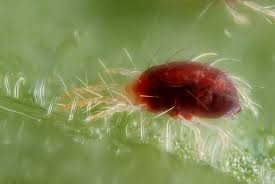
Description
Spider mites are tiny arachnids that feed on plant sap, often causing damage by puncturing plant cells with their needle-like mouthparts. They are difficult to detect early because of their small size but leave behind fine webs, especially in dry conditions. Spider mites tend to thrive in hot, dry weather and can rapidly damage plants if not controlled.
Symptoms & Identification
Fine webbing on plants, especially on the underside of leaves
Yellowing or stippling of leaves
Leaves becoming dry, brittle, and falling prematurely
Deformed or damaged plant tissue
Prevention Methods
Maintain high humidity around plants, as spider mites thrive in dry conditions.
Regularly inspect plants for early signs of webbing or discolored leaves.
Avoid over-watering or under-watering, as inconsistent moisture levels stress plants and make them more susceptible.
Remove and destroy heavily infested leaves.
Avoid growing plants that are particularly susceptible to spider mites.
Control Methods
Spray affected plants with a strong stream of water to dislodge spider mites.
Use neem oil or insecticidal soap to kill spider mites on contact.
Introduce natural predators, like predatory mites (Phytoseiulus persimilis).
For heavy infestations, consider using a miticide that targets spider mites.
Organic Remedies
Neem Oil: A natural treatment that disrupts the mite’s lifecycle.
Insecticidal Soap: Effective in smothering the spider mites.
Water Spray: A simple yet effective way to remove spider mites physically from plants.
Predatory Mites (Phytoseiulus persimilis): Natural predators that feed on spider mites.
Essential Oils (like peppermint or rosemary): Some essential oils can repel spider mites and prevent further infestations.