Greenfly Aphid
Aphids
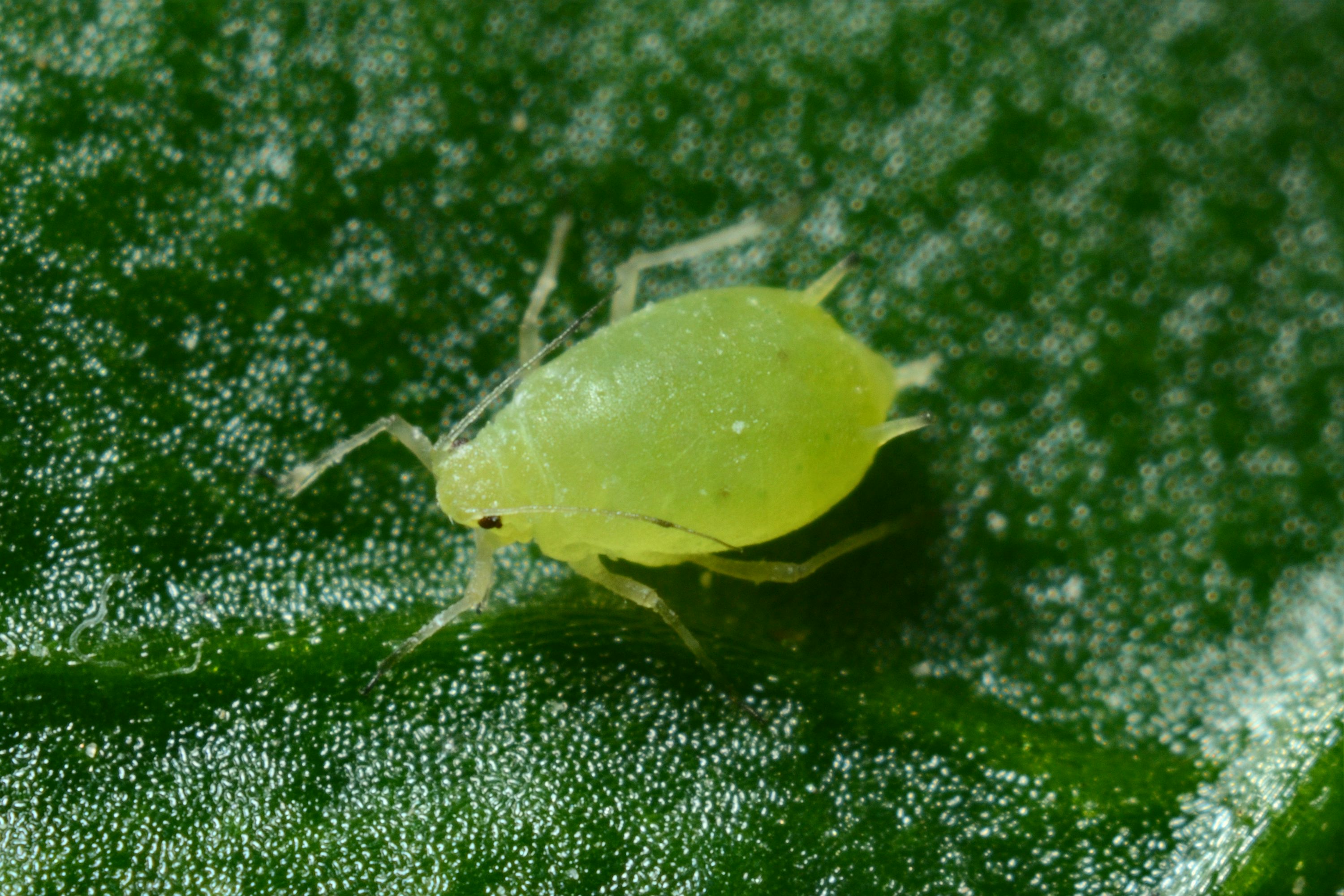
Description
Aphids, also known as greenflies, are small, soft-bodied insects that suck the sap from plants. They can be found on the undersides of leaves and stems. Aphids are notorious for their ability to reproduce rapidly, leading to large infestations in a short period of time. They can cause plants to weaken, distort, and sometimes die if left untreated. Aphids are often seen in clusters and can carry viruses from plant to plant.
Symptoms & Identification
Yellowing of leaves (chlorosis)
Curling or distortion of leaves
Presence of a sticky substance (honeydew) on leaves and surrounding areas
Black mold growth (sooty mold) due to honeydew accumulation
Stunted plant growth
Prevention Methods
Regularly check plants for signs of aphid activity, especially on new growth.
Encourage natural predators like ladybugs, lacewings, and predatory beetles.
Plant aphid-repelling plants like marigolds or garlic around crops.
Use reflective mulches or shiny surfaces to confuse and repel aphids.
Practice crop rotation to avoid recurring infestations.
Keep plants well-watered and healthy to make them more resistant to pest attacks.
Control Methods
Use insecticidal soap or neem oil to target aphids without harming beneficial insects.
Prune affected plant parts to remove aphids physically.
Introduce aphid-eating insects like ladybugs.
Apply a dilute solution of water and dish soap to the affected areas to suffocate aphids.
For severe infestations, consider using an insecticide labeled for aphids, but be cautious of environmental impacts.
Organic Remedies
Neem Oil: A natural pesticide that disrupts aphid feeding and reproductive cycles.
Insecticidal Soap: A mild solution that smothers aphids without harming plants.
Garlic and Chili Spray: A homemade solution that repels aphids when sprayed on plants.
Diatomaceous Earth: A natural powder that dehydrates and kills aphids when applied to plant surfaces.
Ladybugs: Release ladybugs near affected plants as they are natural aphid predators.