Garden Slug
Slugs and Snails
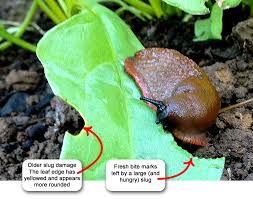
Description
Slugs and snails are common garden pests that feed on a wide range of plants, including vegetables, flowers, and herbs. They leave behind shiny, silvery trails and can cause significant damage by eating holes in leaves, stems, and fruits. They are most active during damp, cool conditions and can quickly multiply if not managed.
Symptoms & Identification
Irregular holes in leaves and stems
Slimy trails on plant surfaces, soil, and around the garden
Damaged or eaten fruits and flowers
Wilting plants due to stem damage
Prevention Methods
Remove debris like leaves, stones, and mulch where slugs and snails hide during the day.
Water plants in the morning to allow soil to dry out by evening.
Use barriers like copper tape or crushed eggshells around plants.
Hand-pick slugs and snails off plants at night, when they are most active.
Create natural habitats for slug predators, like frogs, birds, and beetles.
Control Methods
Use slug pellets or bait, but be mindful of the environment and pets.
Apply diatomaceous earth around plants to physically damage slugs and snails.
Set up beer traps to attract and drown slugs and snails.
Create physical barriers like copper tape around plant beds.
Organic Remedies
Diatomaceous Earth: A natural way to damage the soft bodies of slugs and snails.
Beer Traps: Slugs are attracted to the yeast in beer and will fall into traps set with it.
Copper Tape: Creates an electrical charge that repels slugs and snails when they try to crawl over it.
Hand-Picking: Collecting slugs and snails by hand during the night when they are most active.
Garlic Spray: A natural deterrent that repels slugs and snails when sprayed around plants.